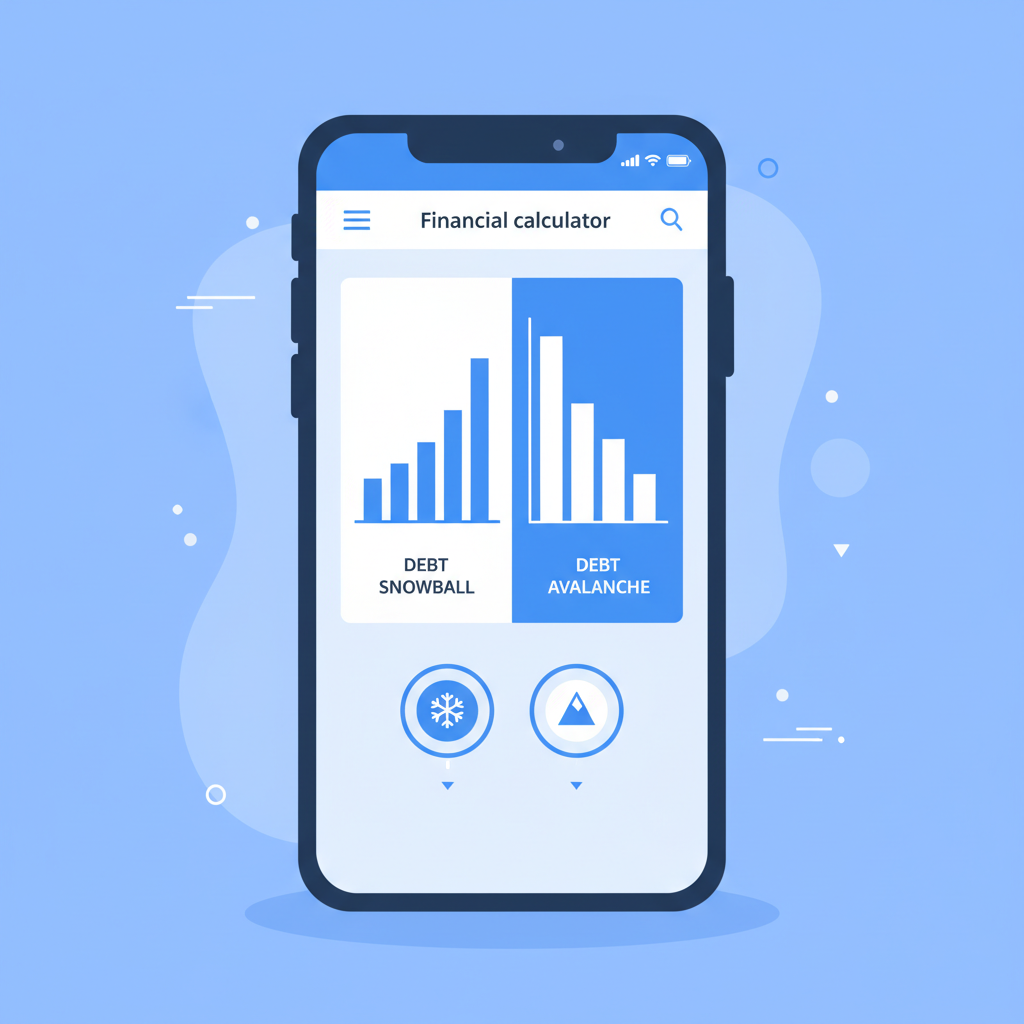
- Understanding the Debt Snowball and Avalanche Methods
- How a Debt Snowball vs Avalanche Calculator Works
- Example: Comparing Debt Snowball and Avalanche Results
- Using the Debt Snowball Method
- Using the Debt Avalanche Method
- Which Strategy Is Better?
- Tips for Using a Debt Payoff Calculator
- Conclusion
Debt Snowball vs Avalanche Calculator Example: Choosing the Best Debt Payoff Strategy
When it comes to paying off debt, two popular methods often spark debate: the debt snowball and the avalanche techniques. To figure out which approach suits your financial situation best, understanding how a debt snowball vs avalanche calculator works can be incredibly helpful. These calculators provide a clear comparison, helping you visualize how quickly and efficiently you might become debt-free under each strategy.
In this article, we’ll explore both debt payoff methods, illustrate how they differ using a calculator example, and guide you on choosing the best plan to attack your debts effectively.
Understanding the Debt Snowball and Avalanche Methods
Before diving into the comparison, let’s quickly summarize each method:
-
Debt Snowball: This approach focuses on paying off debts from the smallest balance to the largest, regardless of interest rates. By eliminating smaller debts first, you gain momentum and motivation as accounts become paid off.
-
Debt Avalanche: This technique prioritizes debts with the highest interest rates first, saving you more money on interest over time. While it might take longer to clear smaller debts, it minimizes overall interest payments.
Both strategies have their advantages. The snowball is great for psychological wins, while the avalanche is best for minimizing costs.
How a Debt Snowball vs Avalanche Calculator Works
Using a debt snowball vs avalanche calculator, you input your outstanding debts’ balances, interest rates, and minimum monthly payments. The calculator then models your debt payoff timeline based on each strategy, illustrating:
- How many months it will take to pay off all debts
- The total interest paid over the payoff period
- The order in which debts are paid off
This clear breakdown helps you see the trade-offs between speed, motivation, and interest savings.
Example: Comparing Debt Snowball and Avalanche Results
Consider a scenario where you have the following debts:
| Debt | Balance | Interest Rate | Minimum Payment |
|---|---|---|---|
| Credit Card 1 | $2,500 | 18% | $75 |
| Credit Card 2 | $5,000 | 15% | $150 |
| Personal Loan | $7,000 | 8% | $200 |
You have $500 monthly to put towards all debts, above the combined minimum payments.
Using the Debt Snowball Method
- Pay off the $2,500 balance first, putting the extra funds towards it while paying minimums on others.
- Once the smallest debt is paid off, roll that payment amount into the next smallest balance.
- Continue this momentum paying off debts in increasing order.
Result:
- Time to become debt-free: approximately 21 months
- Total interest paid: around $1,000
- Emotional benefit: Early wins from quick payoffs boost motivation and adherence to the plan
Using the Debt Avalanche Method
- Start with the debt having the highest interest rate, the first credit card at 18%.
- Allocate extra funds toward this debt after minimum payments.
- Move to the next highest interest debt, then the next.
Result:
- Time to become debt-free: approximately 19 months
- Total interest paid: around $850
- Financial benefit: You save approximately $150 in interest compared to the snowball method
Which Strategy Is Better?
While the avalanche method saves money in the long run, many people prefer the snowball method’s psychological boost. If staying motivated is your challenge, seeing debts disappear quickly—even small ones—can propel you forward.
On the other hand, if you’re comfortable with a longer commitment and want to reduce costs, the avalanche is the smarter choice. Using a debt snowball vs avalanche calculator lets you visualize these differences clearly and make an informed decision.
Tips for Using a Debt Payoff Calculator
- Be accurate: Enter exact balances, rates, and payments to get realistic results.
- Consider extra payments: Add any additional funds you can allocate monthly to accelerate payoff.
- Look at both timelines and costs: Focus not just on months to pay off but also total interest savings.
- Review regularly: Your financial situation might change, so update the calculator as needed.
Conclusion
Choosing between debt payoff methods can be confusing, but a debt snowball vs avalanche calculator example like the one outlined here offers tangible insight. Both paths lead to financial freedom – either by motivation-driven momentum or interest-cost minimization. Whichever way you decide, what matters most is making a plan and sticking to it consistently.
By understanding how each strategy affects your timeline and wallet, you empower yourself to take control of your debt and move confidently toward a debt-free future.
📱 Calculate Instantly with FinLaa
Access 116+ financial calculators — EMI, SIP, tax, mortgage & more — completely free. Works offline too.
iPhone · iPad · Mac · Apple Vision Pro
📚 Related Articles
🔗 Official Resources
Author

rahulbachioppo@gmail.com
Related Posts

how can I pay off my credit card debt faster
Taking a loan is a big commitment. Whether it’s for a home, car, or personal use, valid calculation is your first defense...
Read out all
AI debt management advisor for credit repair
Taking a loan is a big commitment. Whether it’s for a home, car, or personal use, valid calculation is your first defense...
Read out all
how to become debt free calculator with timeline
Taking a loan is a big commitment. Whether it’s for a home, car, or personal use, valid calculation is your first defense...
Read out all
debt to income ratio calculator for loan eligibility
Taking a loan is a big commitment. Whether it’s for a home, car, or personal use, valid calculation is your first defense...
Read out all
credit card payoff calculator with minimum payment
Taking a loan is a big commitment. Whether it’s for a home, car, or personal use, valid calculation is your first defense...
Read out all
debt snowball vs debt avalanche which is faster
Taking a loan is a big commitment. Whether it’s for a home, car, or personal use, valid calculation is your first defense...
Read out all